Flower symbolism is shaped by culture, colour and personal experience. Botanical origin and bloom time add useful context, but seasons vary by climate, cultivar and greenhouse production.
Common questions
Understanding flower symbolism and botany
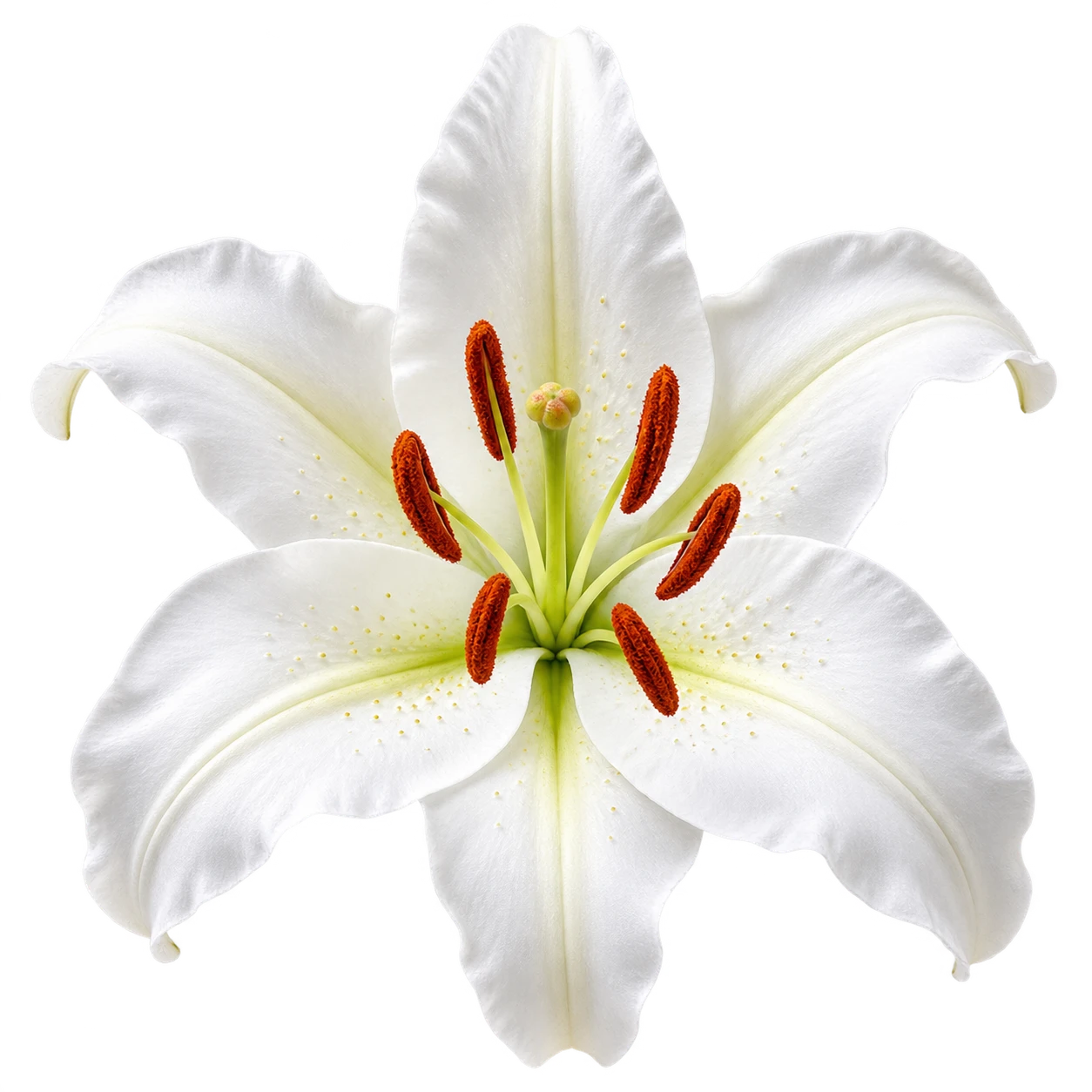
What does lily flower mean?
Lilies commonly suggest purity, care or dignity. They can appear in celebrations and sympathy arrangements, so consider the colour and the recipient’s cultural context.
What does iris flower mean?
Irises are often associated with wisdom, courage and good news. They can suit encouragement and congratulations, while personal associations still matter.
Do flower meanings have strict rules?
No. Meanings change across cultures, colours, time periods and relationships. Use them as context rather than fixed rules.
Why can flowering seasons differ from this guide?
Climate, latitude, cultivar, greenhouse production and local weather all affect bloom time. The seasons listed here describe typical outdoor patterns, not guaranteed availability.
What does native region mean?
A native region is where a plant occurs naturally, rather than every country where people now cultivate or naturalise it. Modern cut flowers may be grown far from their botanical origin.
Does flower colour change its meaning?
Often, yes. Colour can shift the tone, but the sender’s message and the recipient’s own associations remain more important.
Can the same flower suit different occasions?
Yes. A rose, lily or tulip can communicate different feelings depending on its colour, companions and message.
 virtualflowers